Engineering deferred
Boyd left Kilmarnock Academy intending to study engineering at Glasgow University. War intervened.

Feature · Darvel Bulletin · Parts One & Two
John Morton Boyd became an internationally recognised pioneer of nature conservation. His curiosity began among the moors, wildlife and working lives of the town where he was born.
Read his story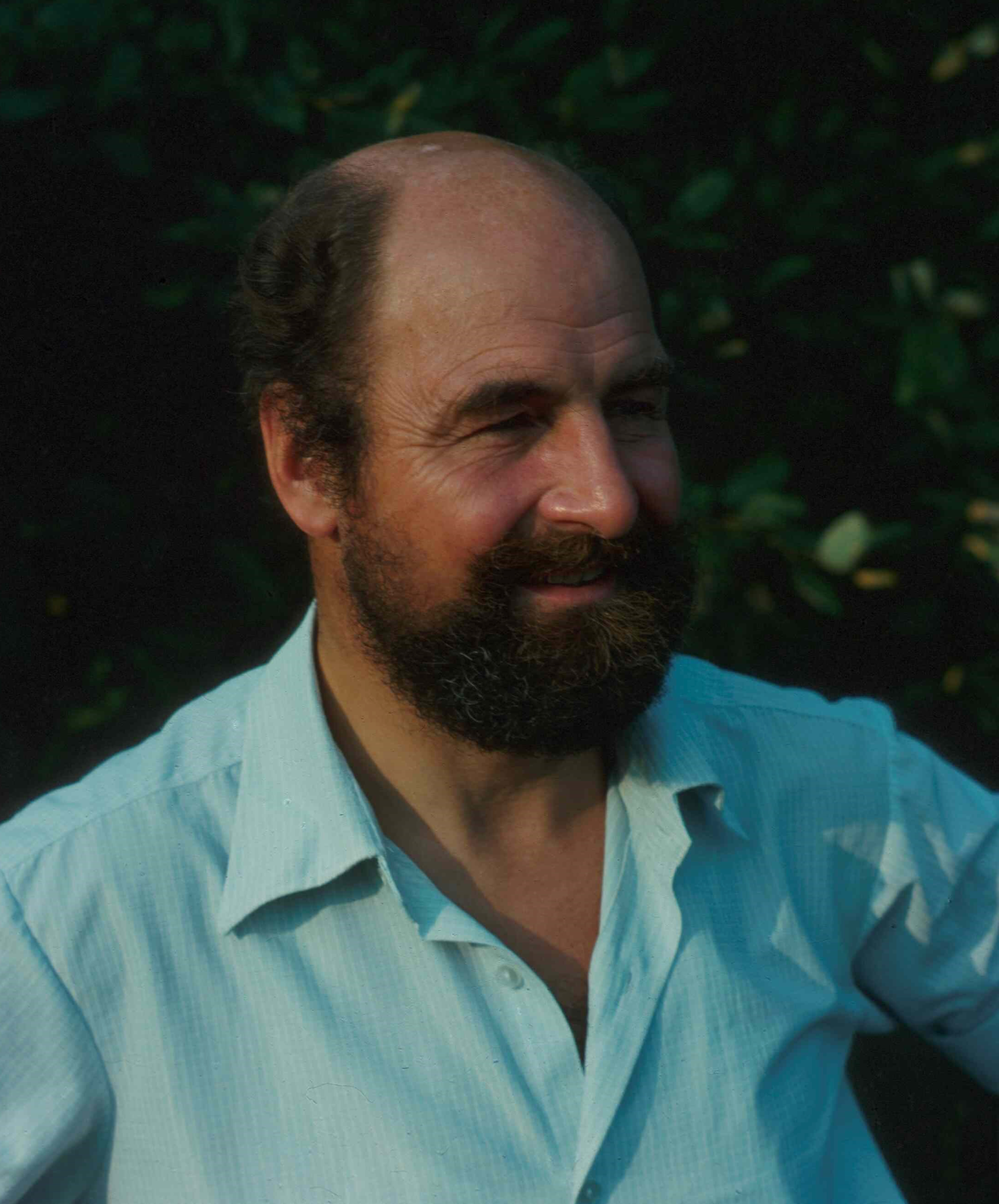
Darvel, 1925
John Morton Boyd was born at Strathmore in East Donington Street, the only son of master builder Thomas Boyd and textile weaver Jeannie Morton.
He attended Darvel Primary and Kilmarnock Academy, where he was known as an extrovert, an athlete and eventually head boy. His teachers did not always find him straightforward.
The headmaster’s verdict was that he might make a good brickie. Given the family business, it was not an entirely unreasonable forecast. It was also some distance from what followed.
Beyond school, Boyd walked and camped on the surrounding moors. He noticed plants and animals closely. Engineering interested him, but so did the living landscape through which every road, railway and pipeline had to pass.
Engineering in the family
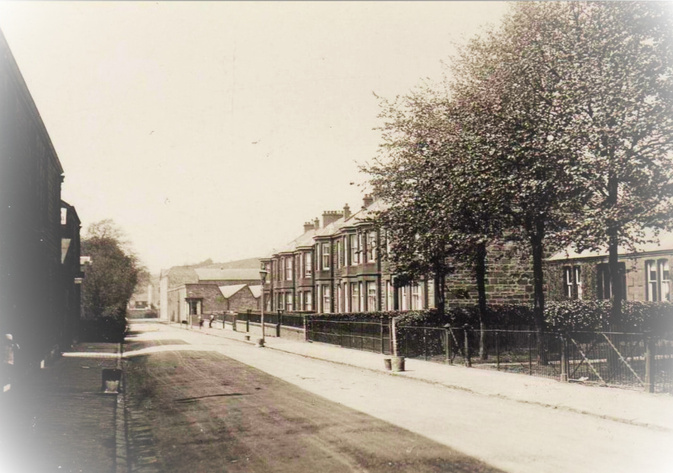
Boyd’s first engineering inspiration was his great-grandfather, John Boyd. His firm, Boyd & Forrest, worked for the Glasgow & South Western Railway and was involved in constructing the railway through Darvel as well as Ayr Station Hotel.
The firm also left a domestic mark. In 1897, land on the south side of the railway was registered to Boyd & Forrest for housing, with the condition that the street be called Donington Street.
The red sandstone flats became known locally as Armour Terrace, probably after John Boyd’s wife, Janet Armour. The name can still be seen on the building.
War changes the route
Boyd left Kilmarnock Academy intending to study engineering at Glasgow University. War intervened.
He joined RAF cadets at St Andrews, then studied navigation in Manitoba rather than training as a pilot.
At Moreton-in-Marsh he marshalled a King’s birthday parade of 1,200 airmen and airwomen.
He later served as a flight lieutenant, air navigator and station adjutant.
The decision
After demobilisation, Boyd finally entered Glasgow University to study engineering. During a summer job on the Loch Sloy hydro-electric scheme, he saw pipelines cutting across the hills and damage to the trees around the works.
Engineering still fascinated him. So did the natural world it could alter. Influenced by ecologist Frank Fraser Darling’s writing about human responsibility for the environment, Boyd changed direction in his second year and moved to zoology.
The scientist emerges
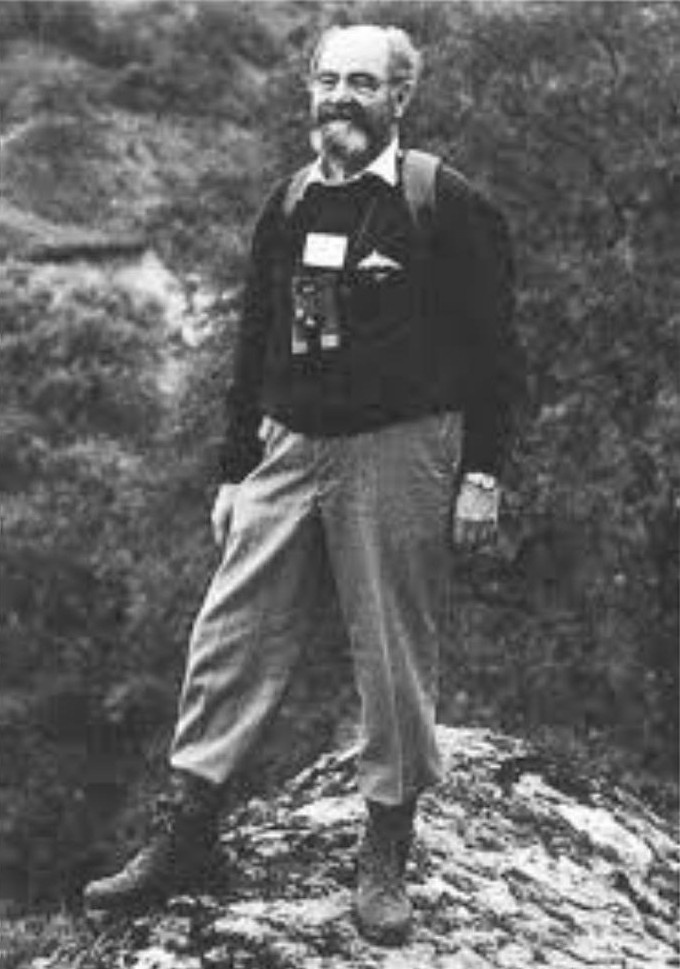
A head injury ended Boyd’s university sporting life and brought him back to Darvel. He travelled around three hours each day to continue his studies in Glasgow.
He became an assistant lecturer and taught Wildlife and Agriculture. The surrounding countryside continued to offer both subject matter and relief from the pressures of study.
In 1957 he completed a PhD on the earthworms of Tiree and also attended expedition courses to St Kilda. The boy who had walked the Darvel moors was becoming a field scientist.
At university he met Winifred, another enthusiastic student of nature. They married in 1954. She shared his passion and, as the original article puts it, kept him grounded when enthusiasm carried him away.
Part Two · A life in conservation
Boyd joined the Nature Conservancy and went on to help shape the practical foundations of modern conservation. He studied seabirds on St Kilda, monitored Soay sheep and grey seals, and helped build the evidence needed to protect vulnerable places and species.
His work reached far beyond Scotland. He advised internationally, campaigned to protect Aldabra Atoll and argued for the return of the sea eagle. Senior public roles and an OBE recognised a career that joined science, policy and determined advocacy.
About this feature
First published as “The Charismatic John Morton Boyd, OBE” in two parts in The Darvel Bulletin: Issue 30, Summer 2026, and Issue 31, Autumn 2026. Adapted for Discover Darvel.
The Bulletin article began with a brief reference in the Darvel Voices booklet and a short newspaper paragraph. This combined page follows Boyd from East Donington Street to an internationally respected conservation career. It preserves the Bulletin investigation as a dated feature rather than presenting it as the final biography.
Add to the story