The first feus
Twelve plots were laid out on the north side of the road, six on either side of what is now Cross Street.

The history of Darvel
Darvel grew along a road in the upper Irvine Valley, then reached far beyond it. Handloom weaving became machine-made lace. Factories brought work, a railway brought connections, and local institutions gave the town a life of its own.
Begin the story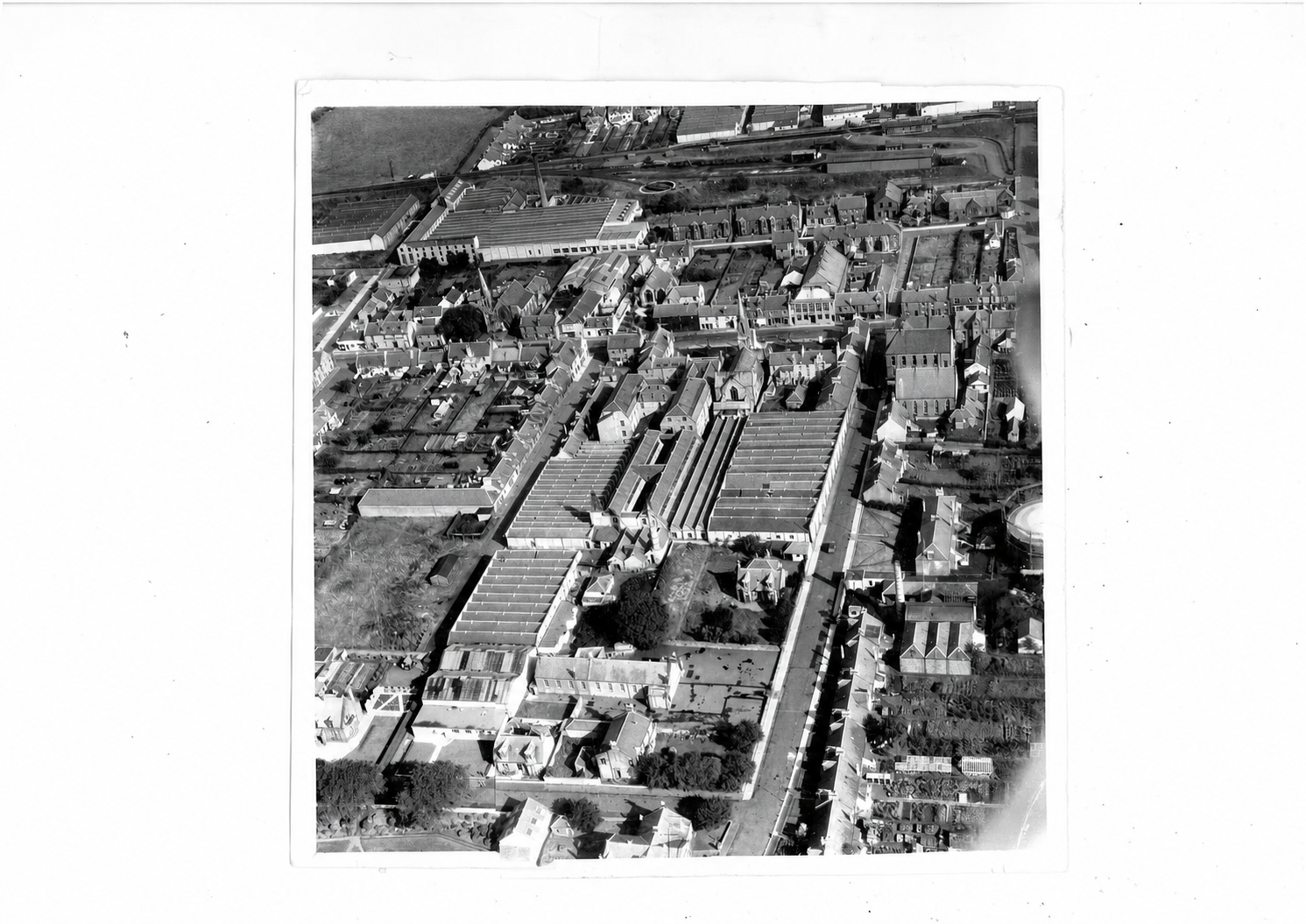
Quiet confidence
Local historian John Woodburn thought those words suited Darvel. The town had pioneered co-operation, textiles and public works, but had little taste for making a spectacle of itself.
Its history is best understood in the same spirit: through what people built, made and organised—and through the traces their work left behind.
Before the town
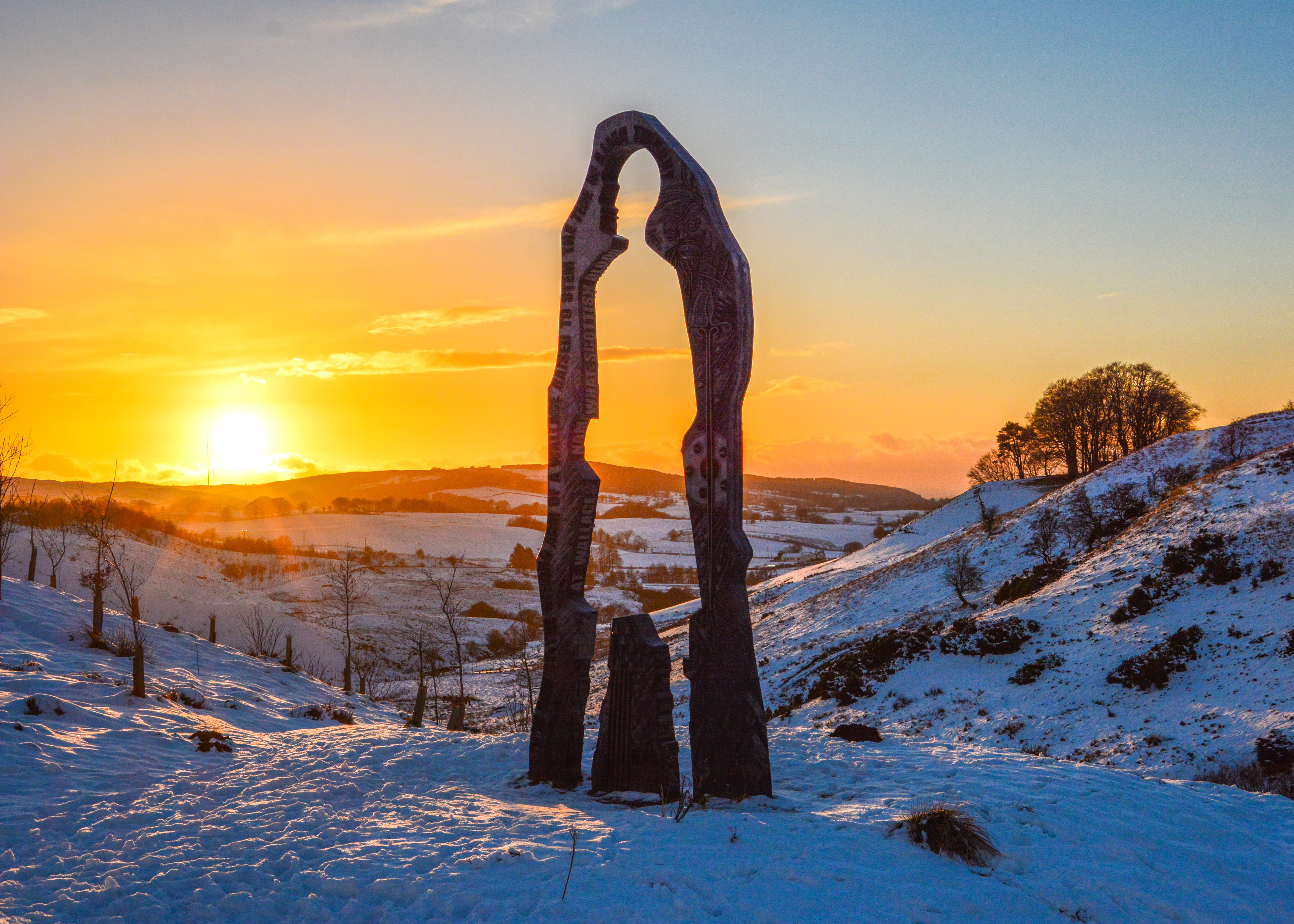
People lived in this landscape thousands of years before Darvel took its modern shape. Archaeology around Loudoun Hill has found evidence stretching from the Mesolithic period to the Iron Age, together with a later medieval farmstead.
The district appears in written records long before the town. Darnvaill was named in a royal grant of 1509. A later charter referred to the lands of Darvell, and Timothy Pont’s early seventeenth-century survey placed Dernville on the north bank of the Irvine.
The surrounding farms, mills and small settlements were already working places. Loudoun Hill and Drumclog also tied the district to Scotland’s wider histories of conflict, belief and political change.
The Lang Toon begins
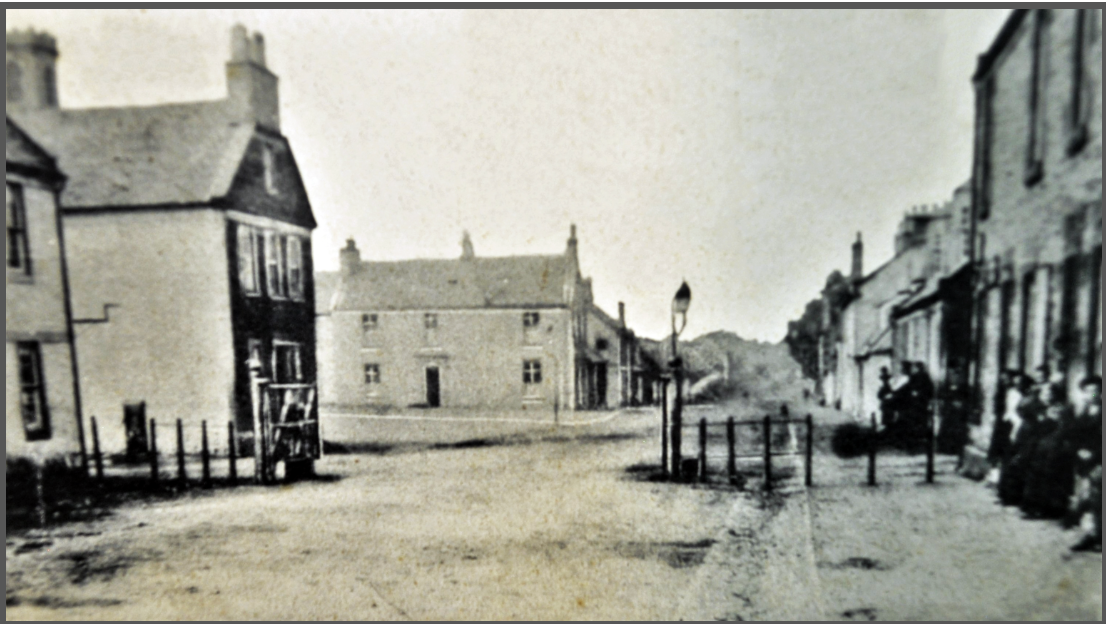
Woodburn treats 1752 as Darvel’s birth year. Twelve feus were laid out on the north side of the road—six east and six west of today’s Cross Street. The first houses became known as the Twelve Apostles.
Development moved steadily east and west. In 1781 construction began on the south side with a new school, described at the time as one of the best conducted in the west of Scotland. By 1820, rows of houses extended along both sides of the road and Hastings Square had taken shape.
The form is still legible: a town stretched along its main street, with closes, gardens and side roads opening out behind it. The Lang Toon was not a nickname imposed later. It described what Darvel had become.
Work and self-reliance
Handloom weaving was not simply an industry. It ordered the working day, shaped the houses and supported a web of related trades.
By 1840 Darvel’s population was approaching 1,400, with more than 300 people earning a living from weaving. Women worked as weavers and pirn winders; children clipped threads; carriers took finished work to Glasgow and returned with new webs and goods.
That same year brought an early co-operative trading venture, a local post office and the beginnings of a regular carrying service to Kilmarnock. They were practical answers to practical problems—and evidence of a town accustomed to organising for itself.
Industry transformed
Handloom weaving had weakened by the 1870s and families were leaving to find work elsewhere. Alexander Morton’s response was not to preserve the old industry unchanged, but to build a new one.
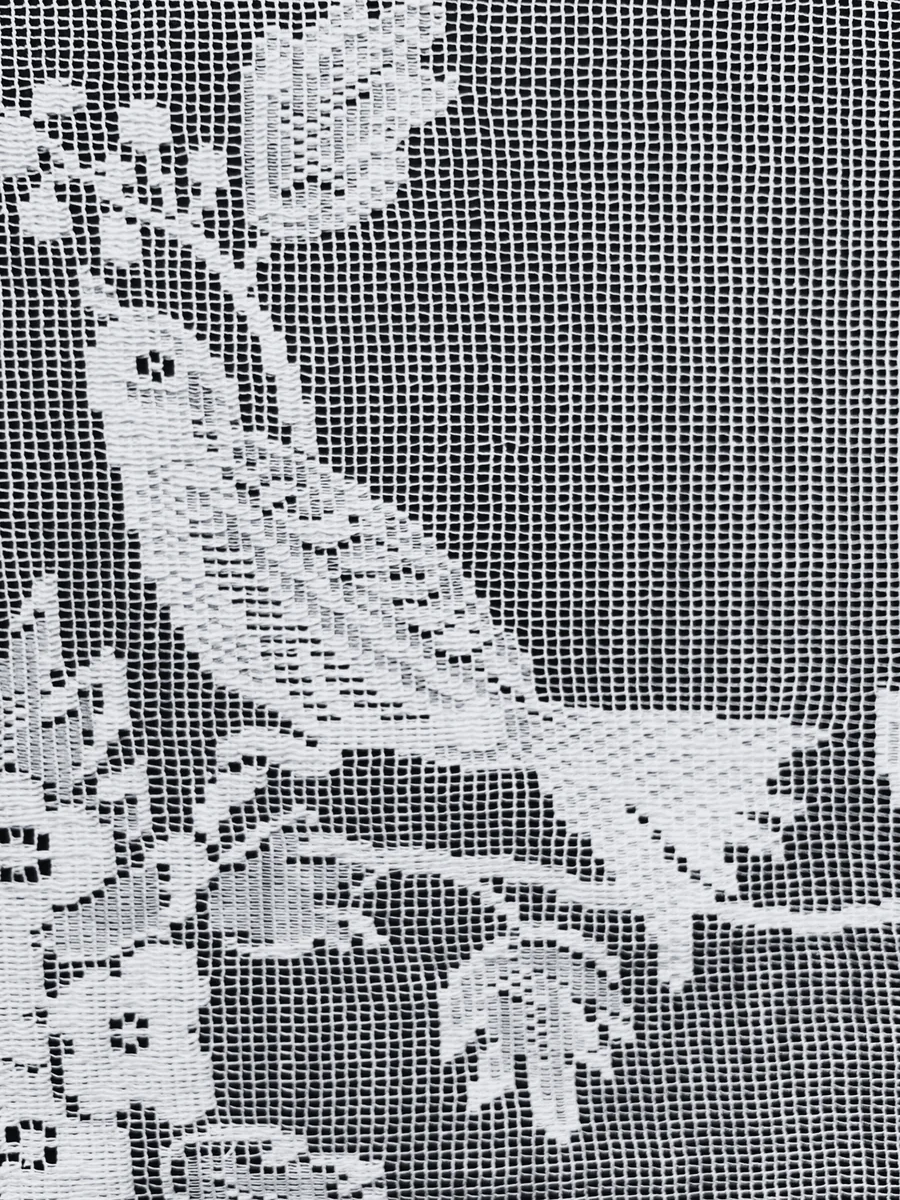
His first machine-made cloth was produced in February 1876. Demand grew quickly. New sheds, new machinery and new firms followed, turning Darvel into an internationally known centre for lace, madras and other textiles.
The industrial town invested in itself: burgh government, a gravitation water system, schools, churches, public halls and, in 1896, the railway. The world came closer as Darvel’s work travelled further.
Explore the lace storyA town in motion
Twelve plots were laid out on the north side of the road, six on either side of what is now Cross Street.
Building began on the south side, led by a new school paid for by public subscription.
Darvel established an early co-operative venture, a sub-post office and a carrying service to Kilmarnock.
The town gained its own elected commissioners and the machinery of local government.
Alexander Morton’s new textile enterprise began production and changed Darvel’s prospects.
The first train reached Darvel after an all-night effort to decorate the town for its arrival.
A confident industrial town completed the public building that still commands Hastings Square.
The railway disappeared, followed later by the long decline of the textile factories.
After the factories
The railway closed and, later, the textile industry contracted sharply under pressure from overseas competition. Factory buildings that had dominated the town fell silent; many were eventually demolished.
Darvel did not stop when the looms did. Its strongest habits—local initiative, voluntary effort and the ability to make useful things happen—survived the industries that first formed them.
Today’s projects and events belong in the same history. They are not an afterword to the town’s story, but its next part.
Explore Darvel’s heritage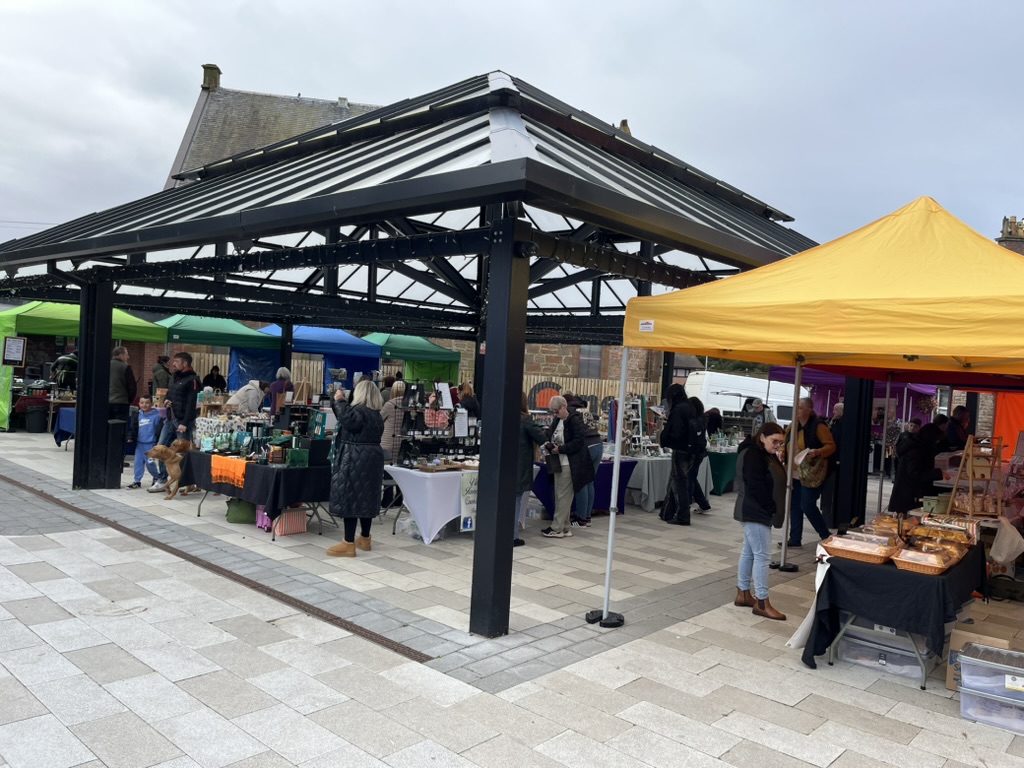
Sources and scope
This overview draws principally on John Woodburn’s A History of Darvel, using the supplied transcription, with chronology and archaeological context cross-checked against the supplied Darvel history reference. Individual subjects will be developed more fully on their own pages.