
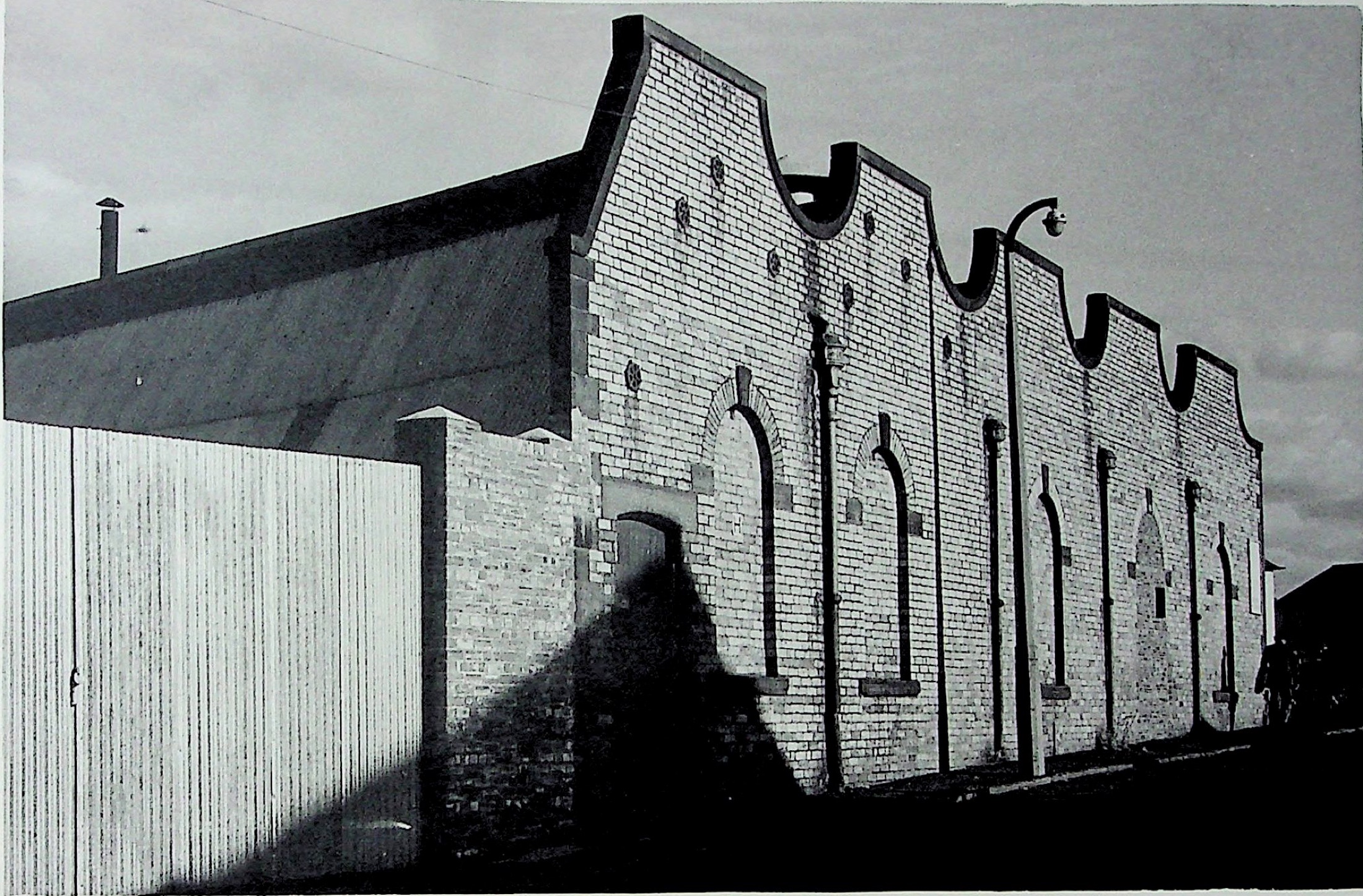
In Darvel, the Industrial Revolution did not arrive in a single dramatic moment. It came loom by loom, shed by shed, until a town of cottage workshops had become one of Britain’s great centres of lace furnishings.
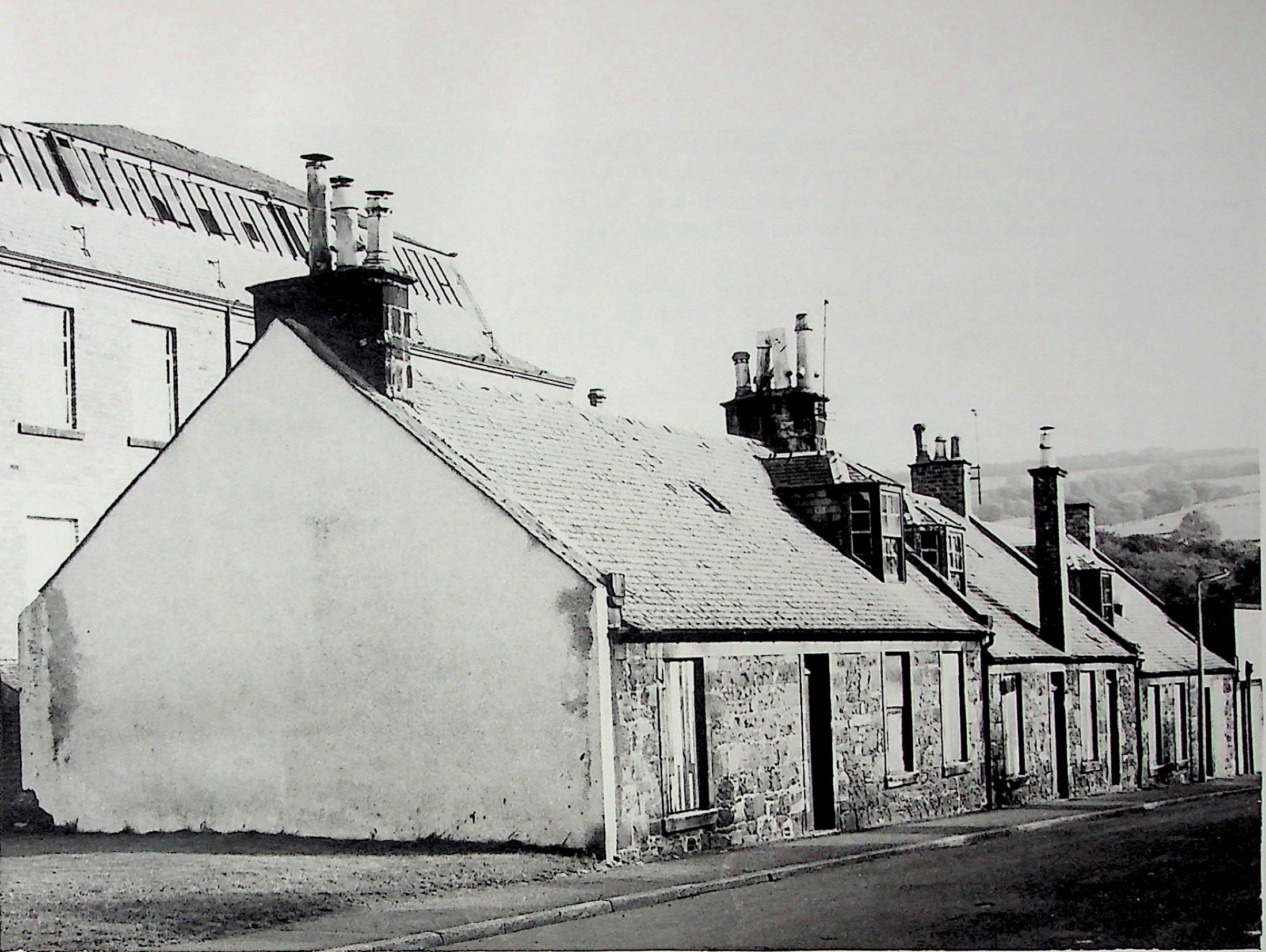
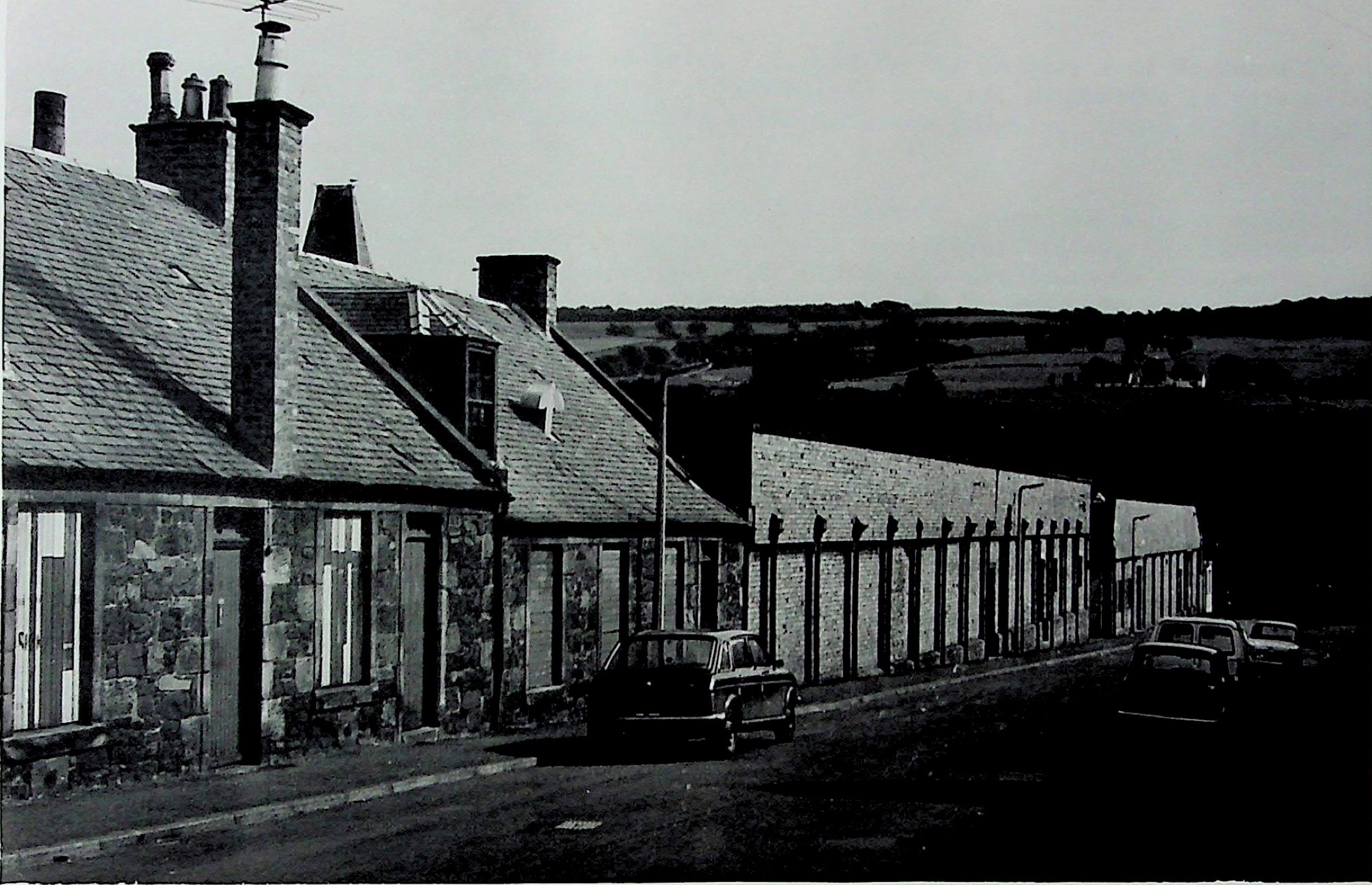
Look at an old photograph of Darvel and the story is written in the roofline. Low stone cottages sit almost under the walls of brick factories. Long panes of glass catch the north light. Chimneys rise where, only a generation earlier, cloth had been woven beside the family hearth. Colin Allan’s study, The Irvine Valley: Cottage Craft to Factory Industry, records that transformation in exceptional detail. This story draws out the part that belongs most closely to Darvel.
Before the factories
A town of rooms that rattled
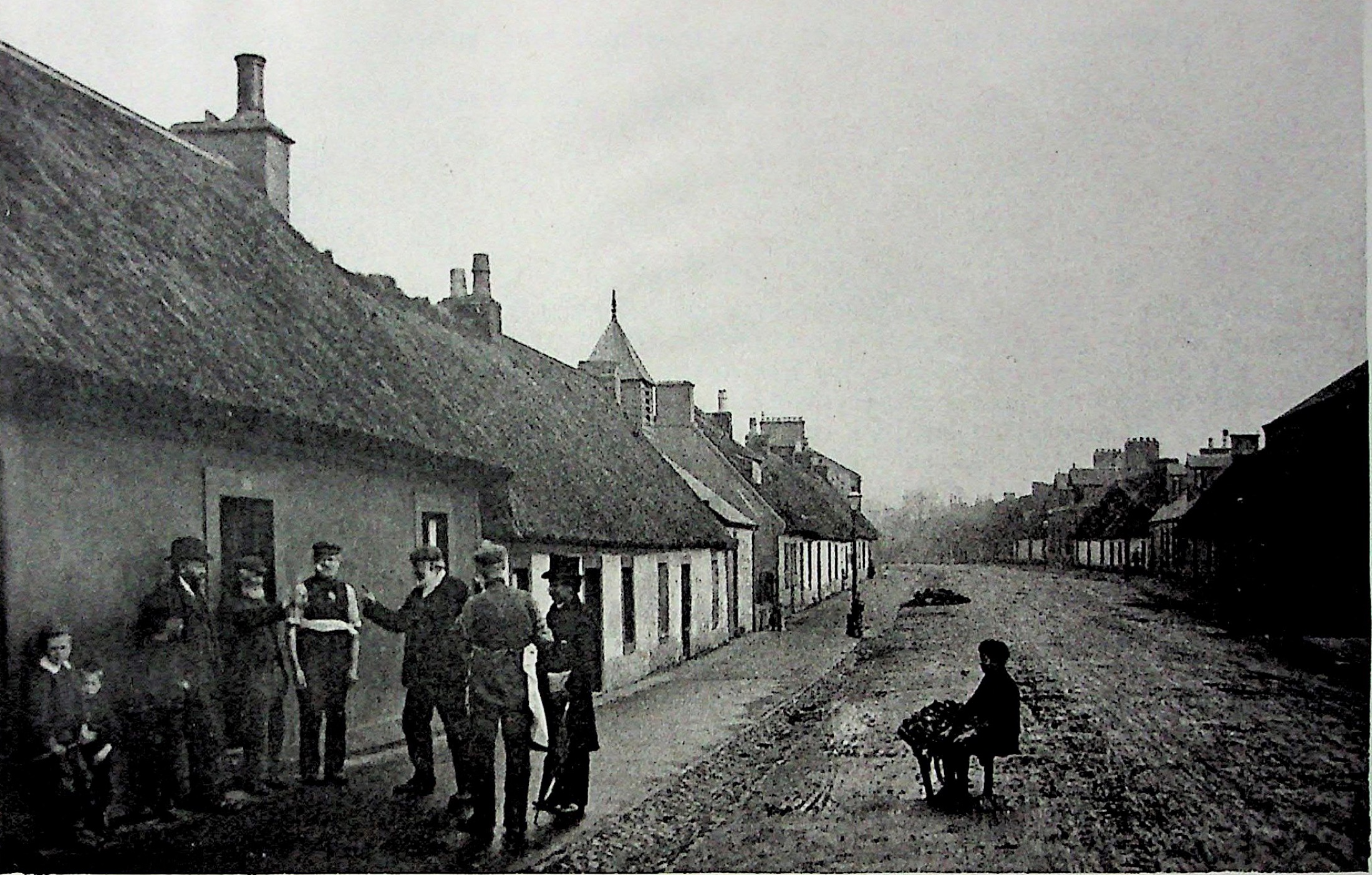
For much of the nineteenth century, weaving was not something hidden inside a distant mill. It was part of the domestic soundscape. A typical cottage gave a large part of its ground floor to a loom shop. The number of tall windows often revealed the number of looms inside; light mattered when a weaver had to follow a complicated pattern thread by thread.
Allan found that in 1865 Darvel’s 259 weavers controlled 453 looms. Most owned only one, but others ran two, three or four. Wives and children wound pirns, clipped loose threads and helped prepare the work. The household was a small production unit, tied into a wider chain of agents, yarn suppliers and merchants.
The work demanded judgement and dexterity, but the life could be hard. Thick whinstone walls held damp; long hours brought modest returns; a broken order or a change in fashion could unsettle a whole household. Yet these shops preserved the knowledge on which the later factory industry would depend.
Before the machine changed the town, the town had already trained the hands the machine would need.
Alexander Morton
The weaver who looked beyond the valley
Alexander Morton began weaving at twelve and bought his own loom at fifteen. His decisive gift, however, was not only technical. He understood markets. Instead of leaving Darvel’s cloth in the hands of Glasgow middlemen, Morton built direct connections with buyers in Glasgow, Paisley, Greenock and London. By 1872, according to Allan, as many as 500 handloom weavers were working for him.
That success also exposed a threat. Nottingham’s powered lace machinery could make larger quantities with a speed no handloom network could match. Morton recognised that preserving the trade meant changing it. The choice was not simply tradition against progress: it was whether Darvel would shape the machine age or be displaced by it.
1875
The £1,050 gamble
Darvel’s first power lace loom arrived in 1875. It came north in pieces, carried from the railway on horse-drawn drays, and was assembled in an old clipping mill at the townhead. The machine cost £1,050—an extraordinary investment—and measured 216 inches across its working width.
Water power proved too unreliable, so steam was installed. The first machine earned enough to help finance two more. It was a small beginning with enormous consequences. Between 1875 and 1887, the valley experienced a factory boom; Darvel had introduced the power lace-curtain industry to Scotland.
Building for the machine
Architecture measured in looms
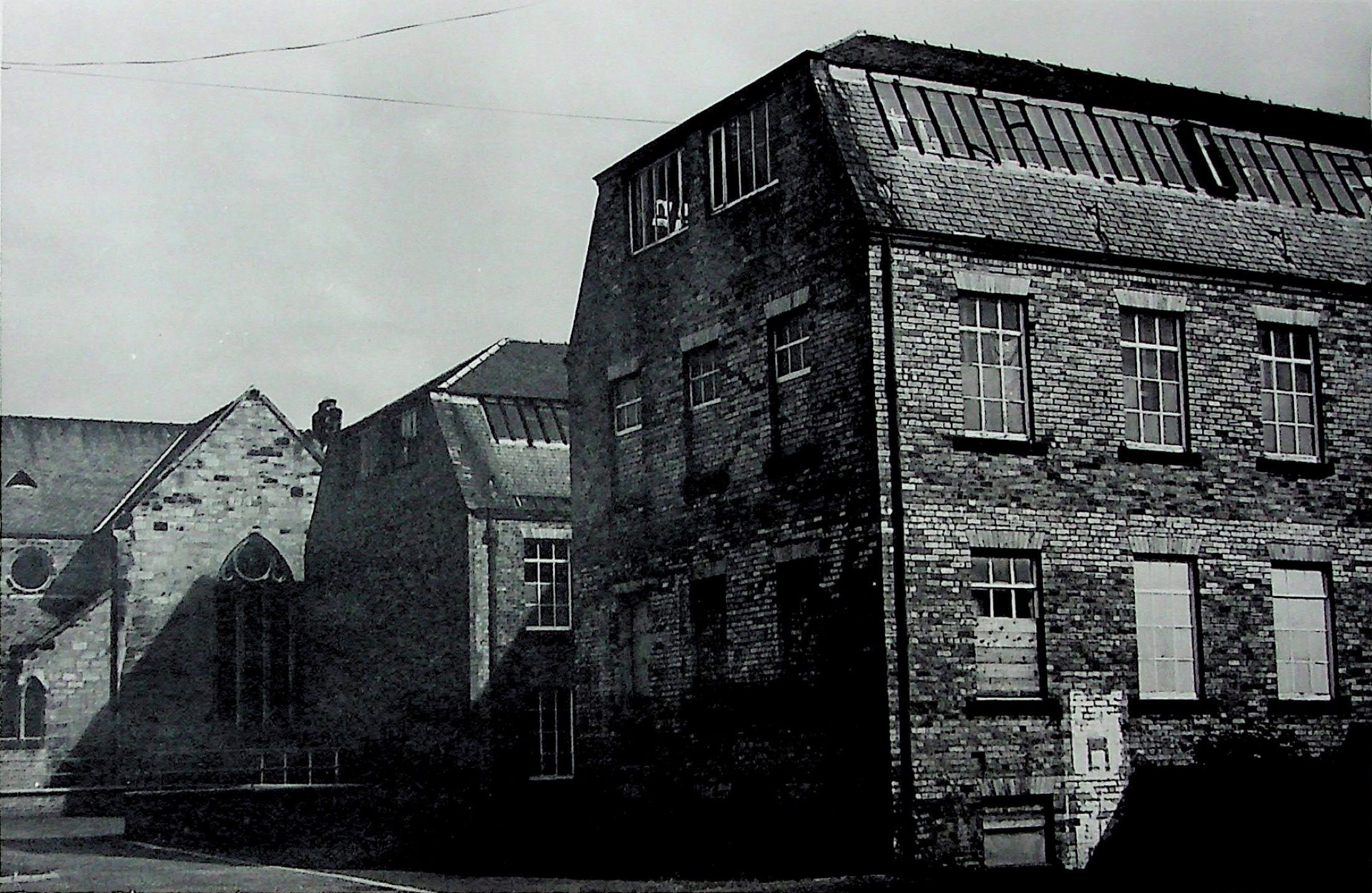
A handloom could fit into a cottage. A lace machine could be up to seventeen yards long, weigh around thirty tons and carry a Jacquard mechanism twenty feet above the floor. Factory architecture had to bend itself around these giants.
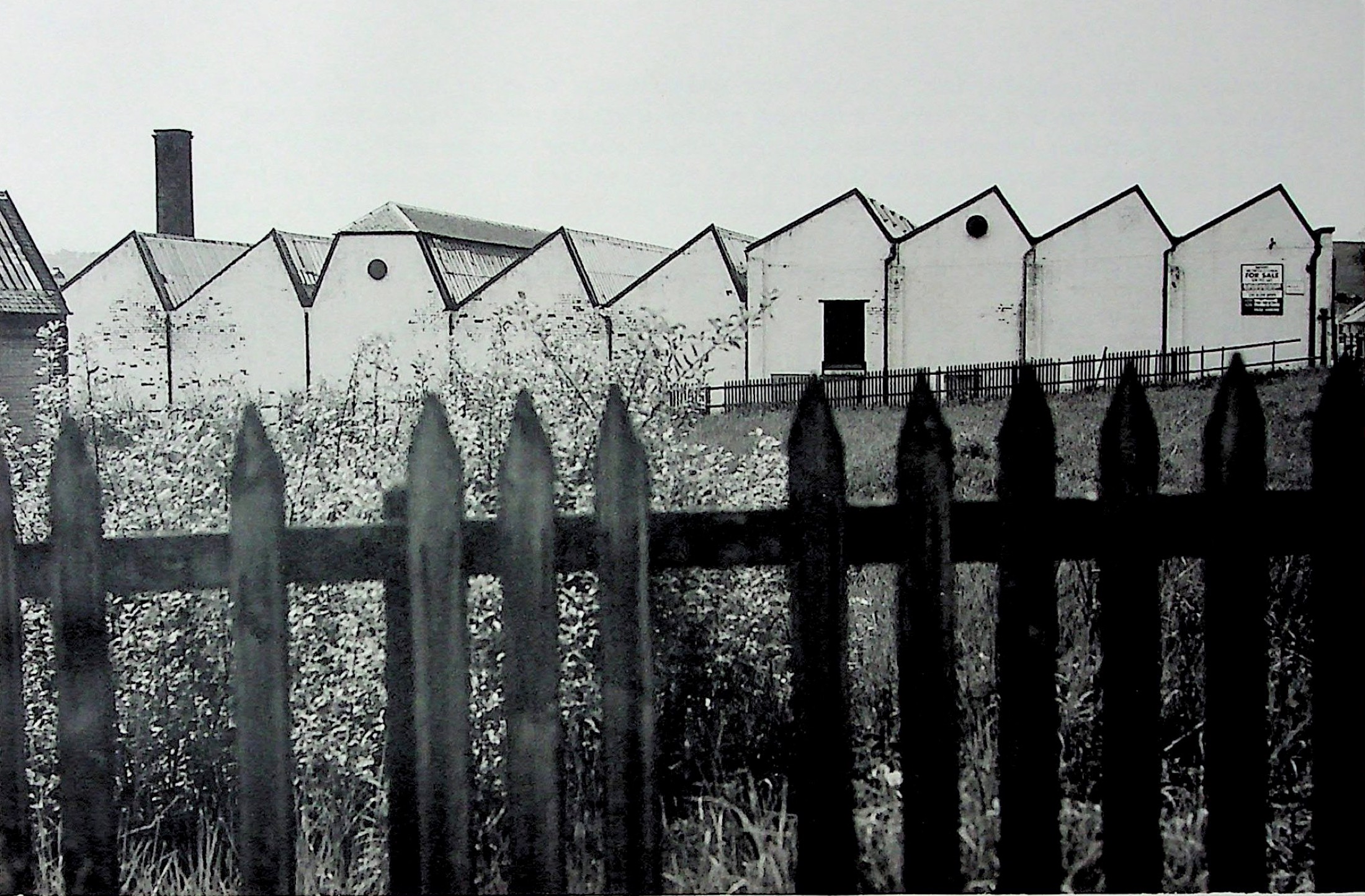
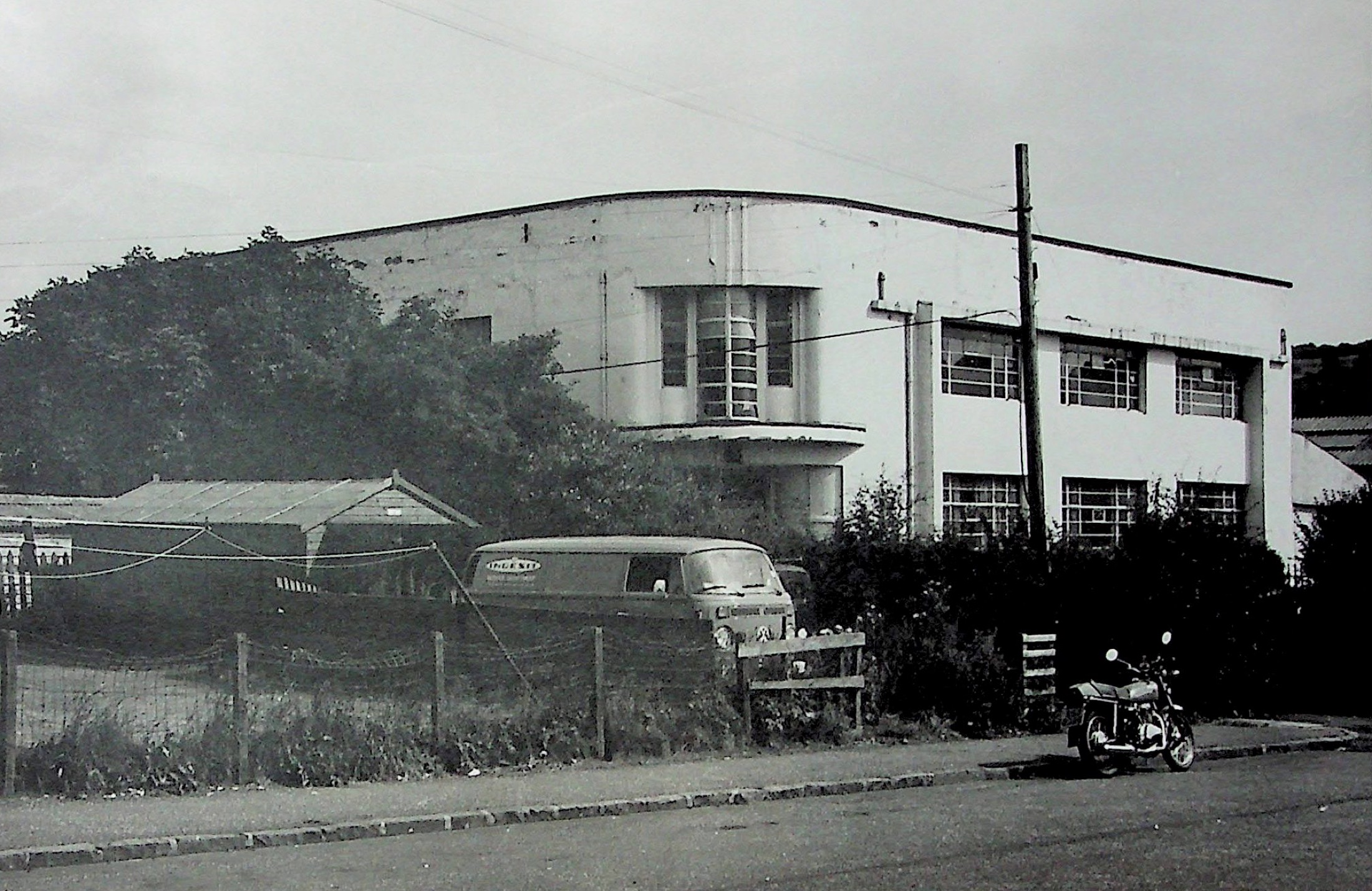
Single-storey weaving sheds spread horizontally across the town, their saw-tooth roofs drawing in steady north light. Taller blocks stacked preparation, weaving and finishing on separate floors. Morton’s 1882 building used yellow brick, glazed mansards and a tower that Allan likened to a French château. Later factories mixed these vertical and horizontal forms as production expanded.
Growth could be startlingly physical. When machinery had to enter an existing shed, openings were broken through brick walls and rebuilt behind it. Roofs rose to accommodate Jacquards. Rows of houses and older workshops were absorbed, repurposed or overtaken. The factory was not imposed on an empty landscape: it grew through the fabric of the town.
A different working town
The siren sets the day
Factory production gathered work that had once been dispersed through hundreds of homes. It created new occupations—mechanics, designers, loom tuners, warpers, warehouse workers—and drew women into large-scale production in considerable numbers. Skills still mattered. A lace machine did not replace knowledge; it demanded a new, highly specialised kind of it.
Darvel’s population expanded. Old loom shops became living rooms, while tenements and new housing filled around the works. In 1951, Allan’s figures recorded roughly 1,800 Darvel men and women employed in lace and madras manufacture. The start and finish of work now belonged to a factory clock and a siren rather than to the rhythms of an individual household.
The relationship was not only economic. Industrial families took civic roles and funded amenities. Morton Park—twelve and a half acres beside the River Irvine—was Alexander Morton’s most visible gift to the town. His memorial, designed by Sir Robert Lorimer with sculpture by Charles Pilkington Jackson, followed in 1927.
Designing for the world
Not provincial, never ordinary
Darvel’s factories made furnishing textiles, so design was not a decorative extra. It was the product’s reason to exist. James Morton, Alexander’s son, formed a close working relationship with the Arts and Crafts designer C. F. A. Voysey from 1895. Voysey supplied a steady stream of patterns, including more than forty tapestry designs in the first years of the twentieth century.
The ambition continued under Morton Sundour. Designs were commissioned from leading modern artists, including Ben Nicholson, Barbara Hepworth and Hans Tisdall. The same town that had begun with linen threads in damp loom shops was now translating avant-garde art into fabric for homes far beyond Scotland.
Peak and decline
A valley industry facing a changed world
At its height, the Irvine Valley’s concentration of expertise was remarkable. Allan recorded that in 1957 there were twenty-four firms employing more than 3,500 people across Darvel, Newmilns and Galston, drawn from a total valley population of under 12,000. More than half of Britain’s lace furnishings were being made here.
But markets and homes changed. After the Second World War, tastes moved away from traditional lace curtains, overseas competition increased and the railway disappeared in the early 1960s. New fibres such as Terylene bought time; some businesses diversified; others closed, burned or found new uses.
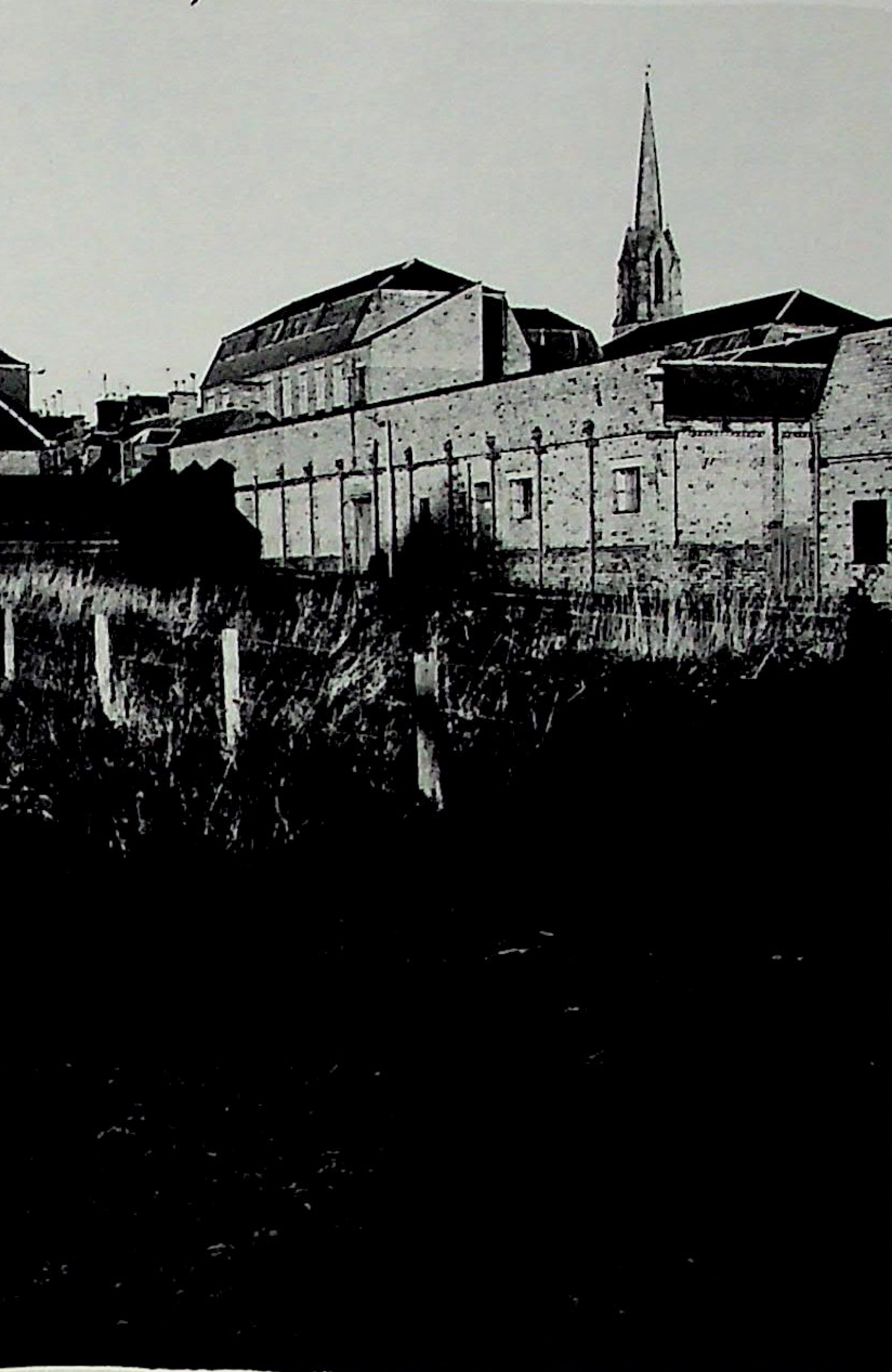
The decline was not a neat ending. Buildings survived in fragments. Factory names remained in family memory. Patterns, photographs and pieces of cloth travelled into cupboards and museums. Above all, the town’s physical shape continued to carry the evidence.
What remains
The machines fell silent. The story did not.
Darvel’s lace age was more than a chapter of industrial statistics. It changed how people worked, where they lived, what the town looked like and how its name travelled. The cottages and factories belonged to different systems, but not to different communities. One grew out of the accumulated skill of the other.
Colin Allan’s dissertation preserved that connection at a moment when many buildings and memories were already at risk. Read today, it asks us to look again: at a tall window, a serrated roof, a bricked-up opening wide enough for a loom—and to recognise each as part of a story made locally, but woven into the wider world.
← Return to all heritage storiesThe source behind this story
Colin Allan’s Irvine Valley study
This story is based principally on Colin Allan, The Irvine Valley: Cottage Craft to Factory Industry. The dissertation examined the architectural development of the lace and madras industry in Darvel, Newmilns and Galston. The original page photographs and extracted historic images were supplied to Discover Darvel for research and interpretation.
Facts have been selected and retold for a general audience, with particular emphasis on Darvel. Page references shown beneath images correspond to the original dissertation. Image captions have been lightly modernised for clarity.